
Beyond the Spotlight: Nikhil Mehta on Bollywood, Struggle and the Price of a Dream
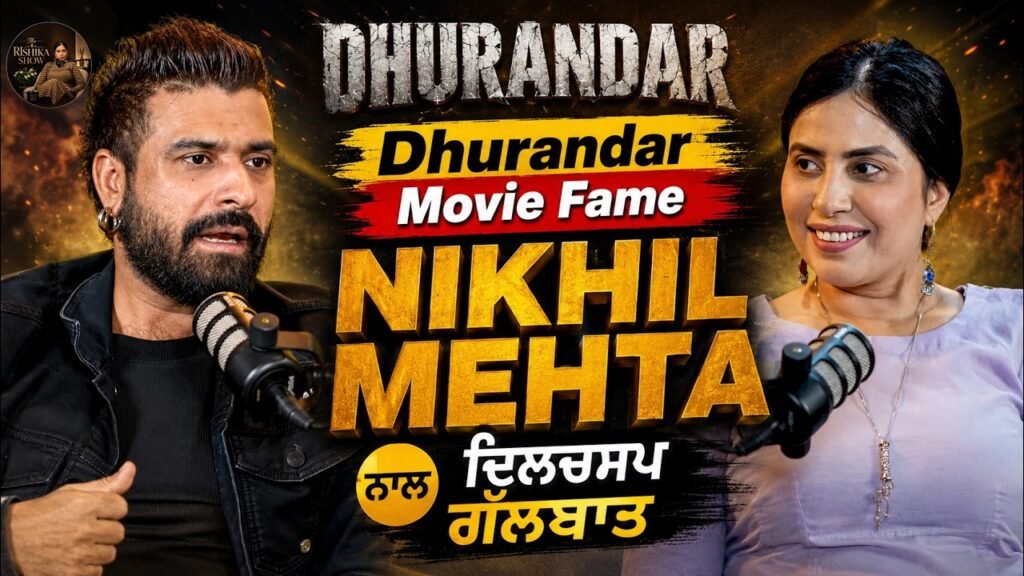
Beyond the Struggle, Into the Spotlight:
For Nikhil Mehta, becoming an actor was never simply about looking the part. It was about surviving the struggle, trusting his talent and continuing to show up even when the road seemed uncertain. In a candid conversation with Rishika Kaushal, Nikhil reflects on his early Cadbury advertisement, nearly 15–18 years of struggle in Mumbai, his recent work in Loveyapa and Dhurandhar, and the realities of making a place in the industry. He speaks openly about casting practices, exploitation, the difference between modelling and acting, nepotism, social media and the importance of preparation. Behind his humour is an honest story of loss, financial hardship, family support and an unwavering belief that dreams can eventually become reality.
The Long Road to Becoming an Actor:
Nikhil Mehta’s journey into acting began much before the spotlight found him. One of his earliest recognisable appearances came in a popular Cadbury advertisement shot in Pondicherry in 2010. What many viewers assumed was Mumbai’s Bandstand or Carter Road was, in fact, filmed far away from the city.
But the real story began when Nikhil entered Mumbai’s demanding entertainment industry. He describes the city as difficult, where many arrive with dreams of becoming actors but eventually leave after realising how tough survival can be. For him, however, giving up was never the final answer.
His career has included work in Loveyapa, where he played Junaid Khan’s friend, and Dhurandhar, where he appeared as Tito alongside Ranveer Singh. He recalls working with Ranveer as an experience filled with support and admiration, particularly while performing emotionally intense scenes.
Nikhil clearly understands what aspiring actors frequently misinterpret. Attractive appearance, a toned physique, or fame alone is insufficient. He believes that acting is a skill that demands careful preparation. He makes a clear distinction between modelling and acting, stating that while models showcase products and fashion, actors must bring an imaginary scenario to life.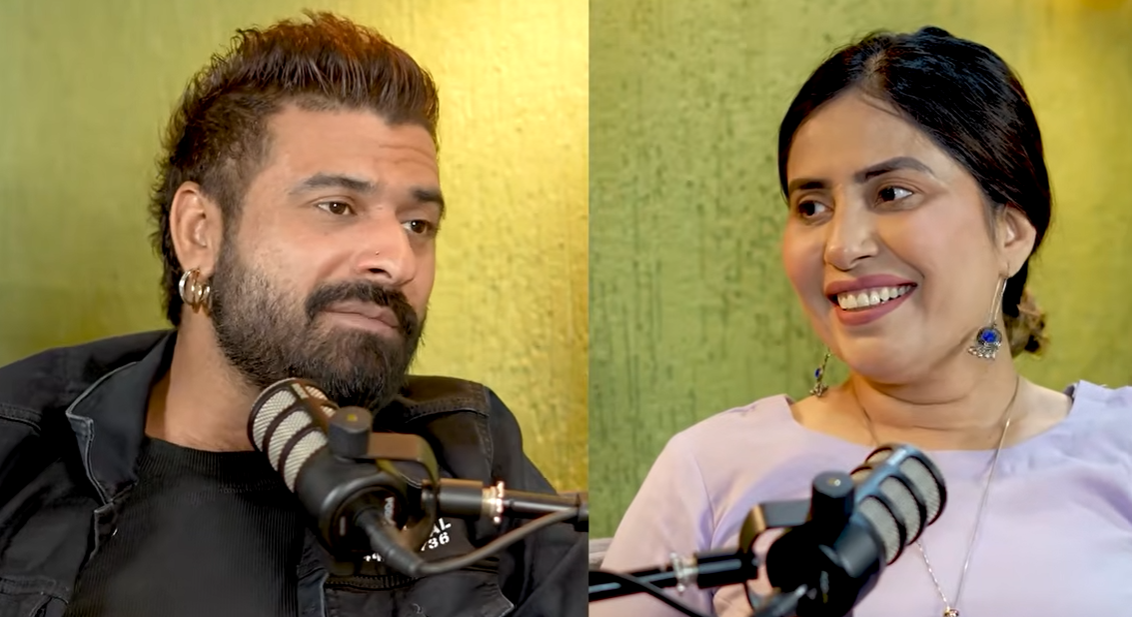
He also addresses the darker side of the industry, particularly casting exploitation. According to Nikhil, while some people misuse their positions, established casting professionals focus on talent. He credits casting directors such as Mukesh Chhabra, Shanu Sharma, Taran Bajaj, Shruti and Piyush Raina for representing the more professional side of the industry. His advice is direct: if someone links sexual compromise to getting work, aspiring actors should recognise the warning sign and walk away.
Beneath his cheerful demeanour exists a significantly weightier story. Nikhil shares his experience of losing his older brother to suicide 11 years prior and the profound impact it had on his family and his mental health. At times, he thought about quitting acting completely. Economic difficulties were yet another reality, there were occasions when he borrowed a coat, pants, and cologne from various friends merely to go to an audition.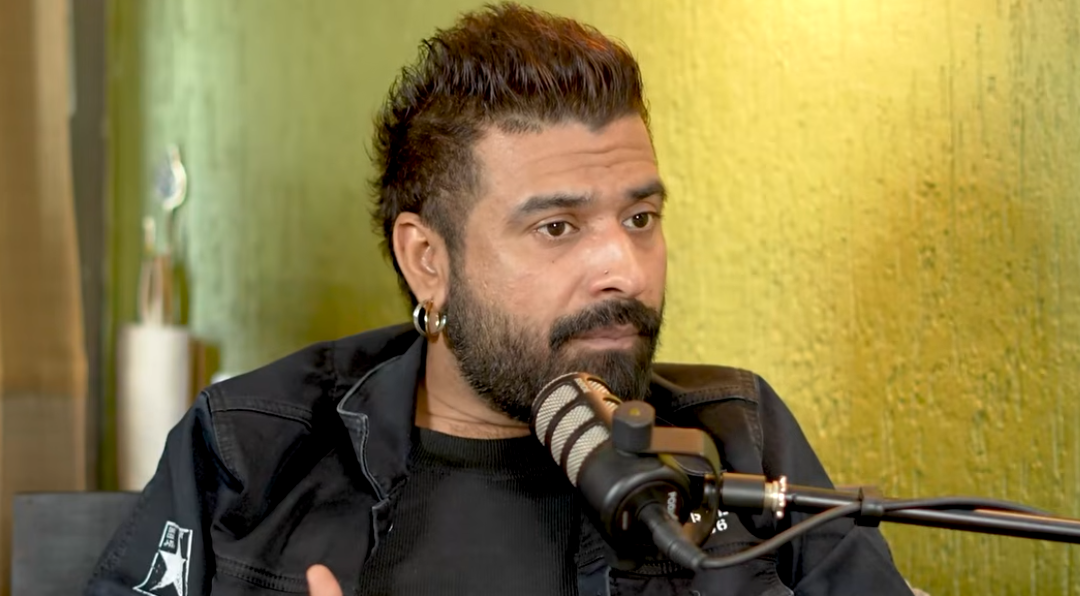
Still, belief and family motivated him to persist. He attributes his strength to his parents, Guru Ji, and his faith. His father keeps supporting him, whereas his mother hopes to see him on TV.
Nikhil is also sceptical about the growing obsession with social-media followers. For him, numbers should never replace talent. He would rather be known for his craft than become an influencer simply for visibility.
His message to newcomers is perhaps the simplest part of his story: come prepared, work on your craft, join theatre, learn acting and do not mistake appearance for talent. Mumbai may be difficult, but Nikhil believes that if the dream is genuine and the effort is consistent, the journey can eventually lead somewhere meaningful.