Girdhari Lal Batra on The Rishika Show: Captain Vikram Batra’s Courage and Legacy
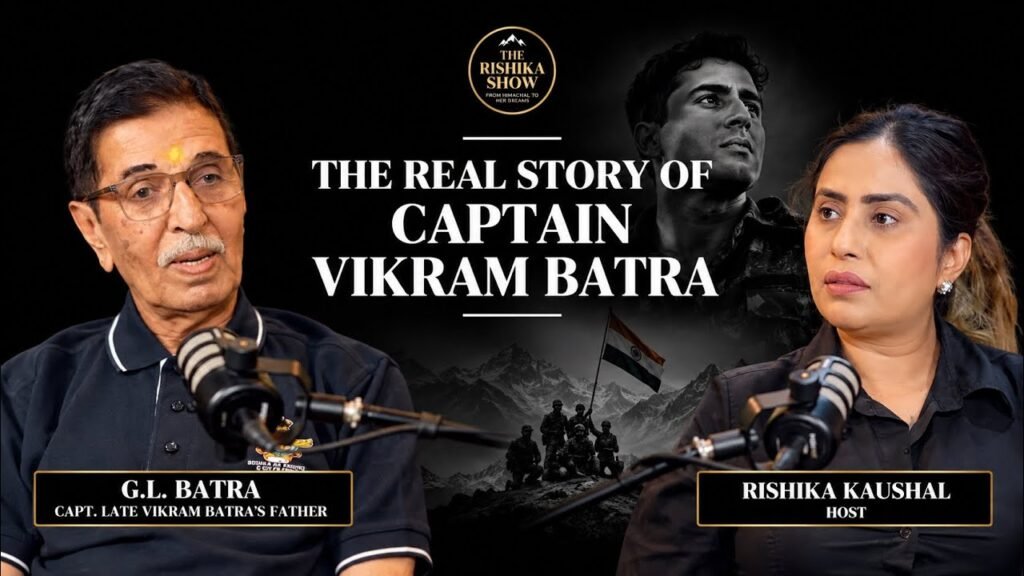
Girdhari Lal Batra on Captain Vikram Batra’s Courage, Sacrifice and Inspiring Legacy on The Rishika Show:
An emotional conversation with the father of the Kargil War hero offers a heartfelt glimpse into his childhood, extraordinary leadership, personal sacrifices and the values that continue to inspire generations.
Some stories go beyond bravery and become an everlasting part of a nation’s identity. In a special episode of The Rishika Show, host Rishika Kaushal welcomes Girdhari Lal Batra, father of Param Vir Chakra awardee Captain Vikram Batra, for an emotional conversation about the life and legacy of one of India’s most celebrated war heroes. From his childhood memories and leadership qualities to his unforgettable sacrifice during the Kargil War, the conversation offers a deeply personal perspective on the man behind the legendary name. Sharing memories that reflect courage, patriotism, ambition and humanity, Girdhari Lal Batra also speaks about the responsibilities of parents, the importance of serving society and the need to keep the spirit of India’s brave soldiers alive.
Captain Vikram Batra’s Untold Childhood Memories, Kargil Heroism and Inspiring Legacy- Girdhari Lal Batra on The Rishika Show:

Some heroes are remembered for their extraordinary courage, while others become an inspiration for generations through the values they leave behind. Captain Vikram Batra, one of India’s most respected military heroes, continues to hold a special place in the nation’s heart. His famous words, “Yeh Dil Maange More,” became a symbol of courage and determination during the Kargil War. However, behind the celebrated soldier was a loving son, a cheerful personality and an ambitious young man whose journey began in Palampur, Himachal Pradesh. In a special episode of The Rishika Show, host Rishika Kaushal sits down with Girdhari Lal Batra to revisit some of the most meaningful memories of his son. The conversation begins with glimpses of Vikram Batra’s childhood, where his father describes him as an exceptionally bright student who actively participated in academics, sports and extracurricular activities. A talented table tennis player, Vikram even represented the North Zone at the national level. His cheerful nature, respect for elders and affection for younger people made him popular among everyone.
One particularly interesting memory shared by his father highlights Vikram’s leadership abilities during his school days. When a student protest disrupted classes at Kendriya Vidyalaya, Palampur, the school principal approached Vikram to help resolve the situation. Through patience, communication and understanding, he successfully brought the students and teacher together, eventually ending the strike. This incident reflected the leadership qualities that would later become an important part of his military journey. The conversation takes an emotional turn as Girdhari Lal Batra recalls Vikram’s decision to join the Indian Army. Having once dreamt of becoming an army officer himself, he felt proud that his son’s ambition was becoming a reality. He also explains how Vikram’s patriotism and determination were reflected in his actions during the Kargil War.
Sharing the story behind the iconic phrase “Yeh Dil Maange More,” Girdhari Lal Batra explains that it was chosen as Vikram’s victory signal before the mission to capture Point 5140. For Vikram, the words represented his determination to capture more peaks and continue pushing forward against the enemy. The phrase eventually became closely associated with his courage and the success of the mission. The episode also explores the personal side of Captain Vikram Batra, including his ambitions, friendships, sense of humour and relationship with Dimple Cheema. Girdhari Lal Batra shares how the two developed a deep connection during their university days in Chandigarh. He also acknowledges Dimple Cheema’s decision to preserve Vikram’s memories and the emotional significance of their relationship.
Another deeply moving part of the conversation focuses on the experiences of families who lose their loved ones in military service. Girdhari Lal Batra speaks honestly about the emotional trauma, practical difficulties and personal challenges that a martyr’s family faces. He explains how receiving the Param Vir Chakra brought a sense of strength, pride and confidence to the family, even as the loss remained irreplaceable. The discussion also highlights the family’s efforts to develop a dedicated museum in Palampur to preserve Captain Vikram Batra’s uniforms, awards, personal belongings and military memories. He shares that following the release of the film Shershaah, thousands of visitors have come to see the collection and learn more about Vikram’s life. The planned museum will feature different sections covering his childhood, school years, college life and military journey.

Towards the end, Girdhari Lal Batra shares a meaningful message for parents and young people. He believes that a child’s first school is their home and that parents play an essential role in developing values, discipline and character. He further emphasizes that life should not be limited to earning a livelihood; every individual should contribute something meaningful to society and the nation through selfless service. This unique episode of The Rishika Show goes beyond merely discussing a distinguished army officer. It honors a son’s remarkable journey, a father’s honor, a family’s dedication, and a nation’s lasting appreciation. Captain Vikram Batra’s bravery serves as a constant reminder that real greatness is measured not just by personal achievements but also by our contributions to our nation.
References / Sources:
- The Rishika Show – Interview with Girdhari Lal Batra.
- Girdhari Lal Batra’s personal recollections shared during the interview.
- Author/ Writer/ Publisher – Aarchi Verma