
From Financial Risks to Real Freedom:
In an eye-opening conversation on The Rishika Show, financial advisor and loan strategist Baudhat Sharma breaks down the common misconceptions surrounding homeownership, debt, and traditional retirement in India. Drawing from his journey from working as a one-rupee-per-packet courier boy to becoming an elite financial consultant, Sharma sheds light on the risks within the real estate market, including illicit pre-launches, misleading builder addendums, hidden broker kickbacks, and registry-related loopholes.
Moving beyond property, he also highlights the risks associated with modern credit options such as Buy-Now-Pay-Later (BNPL) schemes and high-interest gold pledges, which can quietly affect young consumers and their credit profiles. As a way forward, Sharma stresses the importance of thorough due diligence, RERA-registered protections, and a flexible financial approach that makes use of “Other People’s Money” (OPM). Most importantly, he challenges the conventional idea of working until the age of 60 before enjoying life, instead encouraging people to embrace 90-day micro-retirements, invest in meaningful education rather than simply accumulating inheritance, and experience financial freedom while they still have the time and energy to enjoy it.
The Architecture of Financial Freedom: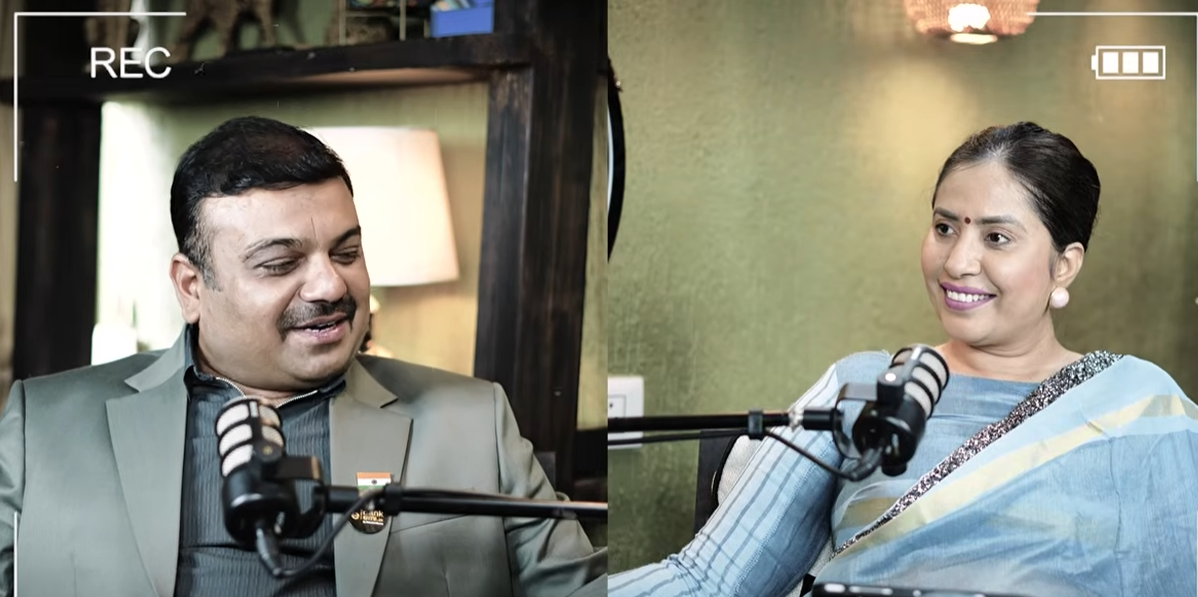
For many Indians, buying a home is more than a financial decision. It is an emotional milestone often seen as a symbol of stability, security, and adulthood. However, behind this long-held dream lies a complex financial ecosystem where first-time buyers can easily become vulnerable to hidden risks.
The challenges can begin long before a project is completed. Unsuspecting buyers may be attracted to unauthorized pre-launches through vague “Expressions of Interest,” with deposits sometimes being routed into shell entities that can disappear into insolvency when projects are delayed or stalled. Even when a project is RERA-registered, certain builders may attempt to avoid statutory accountability through supplementary addendums that place buyers at a disadvantage.
The secondary market has its own set of risks. Unverified “bayanat” agreements can contribute to artificial price inflation without establishing genuine ownership. Similarly, the 10-to-15-day gap between registry endorsement and revenue mutation (inteqal) can leave room for fraudulent multiple sales. Adding to these concerns are property dealers who present themselves as financial advisors while directing buyers toward loans that may generate undisclosed bank kickbacks of 30-to-70 basis points.
The most effective protection is thorough and objective investigation. Purchasers must steer clear of engaging in unverified transactions without comprehensive legal examinations spanning numerous decades of property records. A formal RERA contract must be requested and recorded at the sub-registrar’s office, with the upfront stamp duty settled to enhance the buyer’s legal rights.
In terms of financing, Sharma recommends opting for a longer tenure rather than burdening finances with excessively high monthly EMIs. A sustainable base payment can offer enhanced financial flexibility in unforeseen emergencies, while the excess can be allocated to regular mutual fund investments, enabling compound growth to operate over the long run.
Credit management is equally important. The rise of instant digital lending, merchant zero-down-payment plans, and attractive “Buy Now, Pay Later” options may appear convenient, but they can come with significant penalties sometimes reaching up to 40% and may negatively affect a borrower’s CIBIL profile. Reporting errors, identity overlaps, or heavily utilized credit limits can also unexpectedly affect an individual’s ability to access institutional borrowing.
True financial literacy, however, is not simply about avoiding financial traps or accumulating assets. It is also about understanding when you have enough. Instead of postponing happiness until an exhausting retirement at 60, Sharma advocates building periodic breaks into life itself, working with focus and intensity for 90 days, followed by deliberate and restorative ten-day mini-retirements.
He also urges individuals to focus on valuable experiences and quality education for their children rather than just passing on substantial sums of unused wealth. The concept is straightforward:
competent heirs can generate their own wealth, whereas those who are irresponsible might ultimately waste whatever has been gathered for them.
By grasping leverage, demanding openness, and considering wealth not just as figures but through the significance of time, people can start to transform money from a cause of perpetual stress into a means for enhanced liberty and a richer existence.
References/ Sources:
- Primary Source: Rishika Show — Interview with Baudhat Sharma.
- YouTube: Rishika Show — Baudhat Sharma interview/video.
- Author/ Writer: AARCHI VERMA