
Faith, Seva, and the Courage to Speak Out: Inside the World of Punjab’s Nihang Youth

Faith Beyond Rituals: The Reality of Sikh Seva and Grassroots Activism in Punjab:
In a compelling conversation on The Rishika Show, Jathedar Baba Ajaydeep Singh of Dashmesh Tarna Dal, Beas, and his associate Manroop Sandhu offer an honest glimpse into the realities of Sikh seva and community activism in contemporary Punjab. Working under the spiritual leadership of Baba Major Singh Sodhi, they discuss their efforts to support struggling families, expose fraudulent spiritual practitioners, intervene in domestic disputes, and challenge exploitation by dishonest immigration agents. The discussion also explores the financial and emotional sacrifices behind their work, the legacy of human rights activist Jaswant Singh Khalra, and the importance of turning faith into meaningful action.
Beyond the Bana: Faith in Action-

Faith is often expressed through prayer, tradition, and spiritual discipline. But for some, its true meaning lies in standing beside those who have nowhere else to turn. In an insightful episode of The Rishika Show, hosted by Rishika Kaushal, Jathedar Baba Ajaydeep Singh and Manroop Sandhu share how their commitment to Sikh values extends beyond religious identity into the everyday realities of humanitarian service. Representing Dashmesh Tarna Dal in Beas, Ajaydeep Singh describes a life shaped by community responsibilities, difficult interventions, and a determination to help people facing hardship. For the past five to six years, his work has involved supporting economically disadvantaged households, resolving local disputes, assisting vulnerable women, and helping families navigate situations involving fraud and exploitation. Operating under the spiritual guidance of Baba Major Singh Sodhi, the team combines its commitment to seva with the practical challenges of maintaining livelihoods and supporting volunteers. Their work, as discussed in the episode, highlights a side of grassroots activism that often remains outside the public spotlight.
The Everyday Reality of Seva:

One of the central themes of the conversation is the difference between speaking about service and practising it consistently. Ajaydeep Singh discusses the team’s efforts to provide essential food supplies to struggling families, assist individuals caught in domestic crises, and intervene when vulnerable people are targeted by fraudulent practitioners. He also addresses the stereotypes that can surround visibly religious and outspoken Sikh youth. For him, the purpose of their work is reflected in its impact on people’s lives:
Helping families meet basic needs, protecting those facing exploitation, and offering support when circumstances become overwhelming.
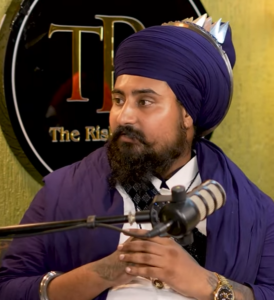
However, such responsibilities demand considerable personal sacrifice. According to the account shared during the conversation, Ajaydeep Singh took a property loan to construct a six-marla hall on his rooftop, providing accommodation for around fifteen young volunteers. Some of these volunteers have experienced significant family hardships and require financial support to continue their work. Fuel expenses, emergency interventions, medical needs, and everyday operational costs add to the pressure. The discussion highlights a recurring challenge faced by grassroots organisations:
Meaningful service requires not only commitment but also sustainable financial resources.
Confronting Fraud and Exploitation:
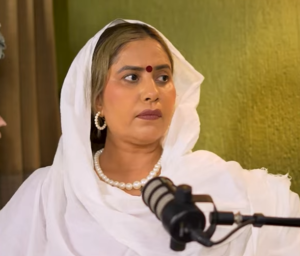
The conversation takes a serious turn as the speakers discuss the exploitation of people already struggling with uncertainty and emotional distress. They recount an alleged incident involving an astrologer who extracted large sums of money from a family searching for their missing daughter, while reportedly manipulating the situation himself. Such accounts raise important questions about the vulnerability of families seeking answers during moments of crisis. When fear and desperation are exploited for financial gain, the consequences can extend far beyond monetary loss.
The speakers also express concern about fraudulent immigration agents who make false promises to aspiring migrants. For families who sell land, borrow heavily, or work long hours to finance overseas opportunities, deception can result in devastating financial and emotional consequences. Their experiences highlight the significance of public awareness, accountability, and access to trustworthy information. Regardless of whether the problem pertains to deceptive spiritual assertions or unscrupulous immigration methods, the dialogue highlights the importance of safeguarding individuals from those who take advantage of their aspirations and weaknesses.
Remembering Jaswant Singh Khalra:

Another significant part of the discussion centres on human rights activist Jaswant Singh Khalra, whose work brought attention to alleged extrajudicial killings and disappearances in Punjab. The speakers reflect on his courage and the wider significance of his efforts to seek justice for affected families, including both Sikh and Hindu communities. His legacy serves as a reminder that speaking up for human dignity can demand extraordinary courage. The conversation connects this historical memory with the responsibilities of those who choose to challenge injustice in their own communities.
The Personal Cost of Standing Firm:

Beyond the visible acts of service lies a more complicated reality. Grassroots activism can involve financial uncertainty, emotional exhaustion, difficult decisions, and the responsibility of supporting others even when personal resources are limited. The episode explores the tension between the public perception of religious service and the practical difficulties of sustaining it. It also raises a broader question about society’s approach to charity:
How can genuine community initiatives receive the consistent support they need to continue helping people?
The speakers also refer to the Uttarakhand morcha and other interventions, illustrating how their understanding of service extends into situations involving collective concerns and public accountability. For Ajaydeep Singh and Manroop Sandhu, seva transcends being just a manifestation of faith. This is a continuous obligation that demands time, resources, determination, and an openness to confront difficult truths.
When Faith Becomes Service, A Commitment to Humanity:
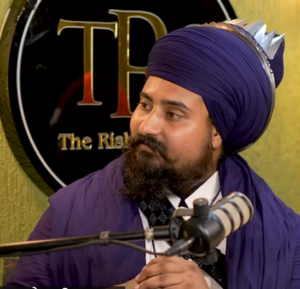
The conversation on The Rishika Show presents a thought-provoking look at the intersection of Sikh tradition, humanitarian work, and grassroots activism. Through their experiences in Beas, Jathedar Baba Ajaydeep Singh and Manroop Sandhu highlight the challenges of supporting vulnerable families while confronting exploitation and navigating limited resources. In the end, the episode encourages viewers to consider the real significance of faith. Beyond looks and language, it’s worth is evident in empathy, aid, and the readiness to support those in need. Their message serves as a reminder that significant change frequently starts at the community level, where even modest acts of bravery and generosity can create a lasting impact.