
Baba Buddhan Shah Ji’s Darbar: Faith, History and Transparency
A Spiritual Journey Beyond the Studio:
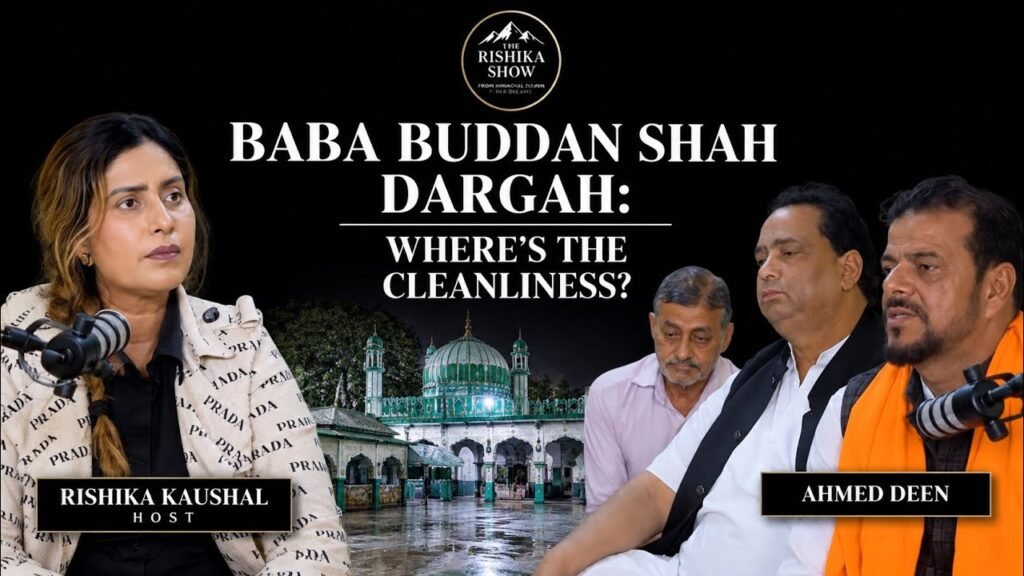
A special episode of The Rishika Show from Kiratpur Sahib explores the spiritual legacy of Baba Buddhan Shah Ji, his historic connection with Sikh Gurus, and the ongoing concerns surrounding the management and development of the revered Darbar.
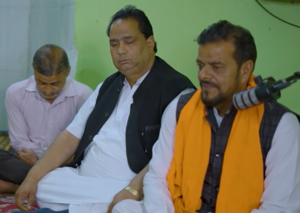
In a special episode of The Rishika Show, host Rishika Kaushal steps away from her usual studio setting to visit the historic Darbar of Baba Buddhan Shah Ji in Kiratpur Sahib. Surrounded by an atmosphere of devotion and spirituality, she engages in an insightful conversation with Ahmad Deen Ji and Nadar Ji, exploring the history, faith, traditions and present-day challenges associated with this revered spiritual destination. The discussion offers a deeper understanding of Baba Buddhan Shah Ji’s legacy while bringing attention to important concerns about the Darbar’s administration, financial transparency, infrastructure and the need for a more organised management system.
Baba Buddhan Shah Ji- A Legacy Rooted in Spirituality:
According to the historical account shared during the interview, Baba Buddhan Shah Ji was a Sufi saint who was born in an Arab country and arrived in the forest at approximately 12 years of age. It is believed that he lived a life devoted to prayer and meditation, accompanied by a lion, a dog and three goats. His spiritual journey is particularly remembered for his association with Guru Nanak Dev Ji and Guru Hargobind Sahib Ji. The interview highlights an extraordinary account of Guru Nanak Dev Ji’s meeting with Baba Buddhan Shah Ji during the Guru’s fourth Udasi. According to the tradition narrated by the interviewee, Baba Ji offered milk from his goats as a gesture of hospitality.

Guru Nanak Dev Ji, having already accepted food elsewhere, asked him to preserve the milk as a sacred offering, promising to return for it in the future in his sixth form. The account further describes how Baba Gurdita Ji, following the instructions of Guru Hargobind Sahib Ji, visited Baba Buddhan Shah Ji to receive the preserved offering. Their meeting is remembered as a significant moment in the spiritual history associated with the Darbar. This story remains an important part of the local religious tradition and reflects the deep spiritual connection between the Sufi saint and the Sikh Gurus.
A Darbar That Welcomes People Beyond Religious Boundaries:
One of the most beautiful aspects discussed in the episode is the inclusive character of Baba Buddhan Shah Ji’s Darbar. The interviewees explain that devotees belonging to different religions, communities and backgrounds visit the sacred place to offer prayers and seek blessings. The Darbar is not viewed merely as a religious destination for one particular community but as a shared space of faith, respect and devotion.
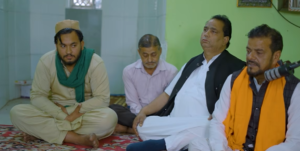
The conversation also touches upon the significance of offering prayers at the Darbar. Devotees bring chadars, offer donations and prepare niyaz according to their personal faith and traditions. There is no single compulsory ritual that everyone must follow. The interviewees emphasise that respecting a spiritual personality is an expression of reverence and gratitude. They also explain the distinction between worship and showing respect to an elder or a revered spiritual figure.
Faith, Miracles and the Devotion of Thousands:
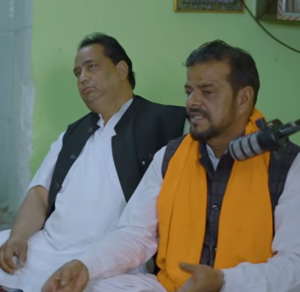
The discussion Darbar further explores why devotees continue to visit the throughout the year. According to the accounts shared during the interview, people arrive with different wishes and personal concerns, including family difficulties, health-related worries and aspirations such as obtaining a visa or travelling abroad. Many devotees return to express gratitude after believing that their prayers have been answered. The tradition of offering salt, oil and brooms after the fulfilment of a wish is also discussed. These practices have become associated with the Darbar’s devotional culture. The interviewees describe faith as something deeply personal, explaining that the connection between a devotee and a spiritual place goes beyond visible rituals or material offerings.
The Uncomfortable Questions- Donations, Management and Transparency:
While the spiritual significance of the Darbar forms the foundation of the conversation, the episode also addresses several serious concerns regarding its present management. During the discussion, questions are raised about the utilization of donations, the condition of the premises, inadequate cleanliness and the lack of sufficient facilities for devotees. The interviewees express concern that despite the substantial offerings received from devotees, the overall infrastructure and arrangements at the Darbar have not developed to the expected standard. They particularly highlight the need for proper sanitation facilities, better cleanliness, improved roads, organized arrangements for visitors and adequate facilities for the large number of devotees who visit the place. Another major concern discussed is the alleged lack of a centralized financial accounting system.
The interviewees argue that donations collected through different channels, including donation boxes, online contributions and Prasad counters, should be properly accounted for. They also refer to an ongoing legal dispute concerning the management and financial affairs of the Darbar, which they state has continued since 1975. Concerns regarding the income generated through Prasad counters and the appointment of a receiver are also discussed. These are claims and concerns raised by the interviewees during the conversation, with the relevant legal matters remaining subject to judicial proceedings.
The Demand for a Trust and an Accountable Management System:

One of the strongest messages emerging from the episode is the demand for the establishment of a formal trust to manage the Darbar. The interviewees suggest that an 11-member or 21-member committee comprising educated, responsible and respected individuals from different religious communities could help ensure better administration. According to their proposal, all donations and offerings should be collected through a transparent and properly maintained financial system. The funds should then be distributed according to clearly defined priorities, including:
- Maintenance, renovation and development of the Darbar.
- Cleanliness and essential facilities for devotees.
- Proper arrangements for langar and accommodation.
- Financial assistance for underprivileged families and patients.
- Support for schools, educational institutions and community welfare.
- Assistance during natural disasters and other emergencies.
They believe that such a system would not only improve the Darbar’s infrastructure but also ensure that the offerings made by devotees are utilised responsibly for the larger community. The interviewees also appeal to the Punjab Government and concerned authorities to consider the establishment of a transparent management structure.
Preserving Faith While Addressing Present-Day Challenges:

Another important aspect of the conversation concerns the emotional connection devotees share with Baba Buddhan Shah Ji’s Darbar. The interviewees express that raising questions about management should not be misunderstood as questioning anyone’s faith. Their argument is that the spiritual reputation of the Darbar must be protected through responsible administration, accountability and proper utilization of public donations. The discussion also touches upon reports of another Darbar being established in Mohali in the name of Baba Buddhan Shah Ji. However, the interviewees clarify that they have not independently verified these reports and express the need for clarity on the matter. For them, preserving the historical association of Baba Buddhan Shah Ji with Kiratpur Sahib is equally important.
The Rishika Show- Conversations That Go Beyond Headlines:
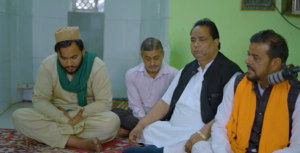
This special episode of The Rishika Show goes beyond a conventional spiritual interview. It brings together history, religious traditions, personal faith and pressing questions about the responsibilities involved in managing a place visited by thousands of devotees. Through her conversation with Ahmad Deen Ji and Nadar Ji, Rishika Kaushal explores both the spiritual heritage of Baba Buddhan Shah Ji and the concerns that deserve attention in the present day.
Ultimately, the episode highlights an important thought:

A sacred place is not defined only by its history, architecture or the number of devotees visiting it. Its true significance also lies in the values it represents, the people it serves and the trust it inspires. As the discussion concludes, the central appeal remains clear protect the legacy, respect the devotees’ faith, ensure transparency and work towards the development of Baba Buddhan Shah Ji’s historic Darbar.