
The Unvarnished Truth: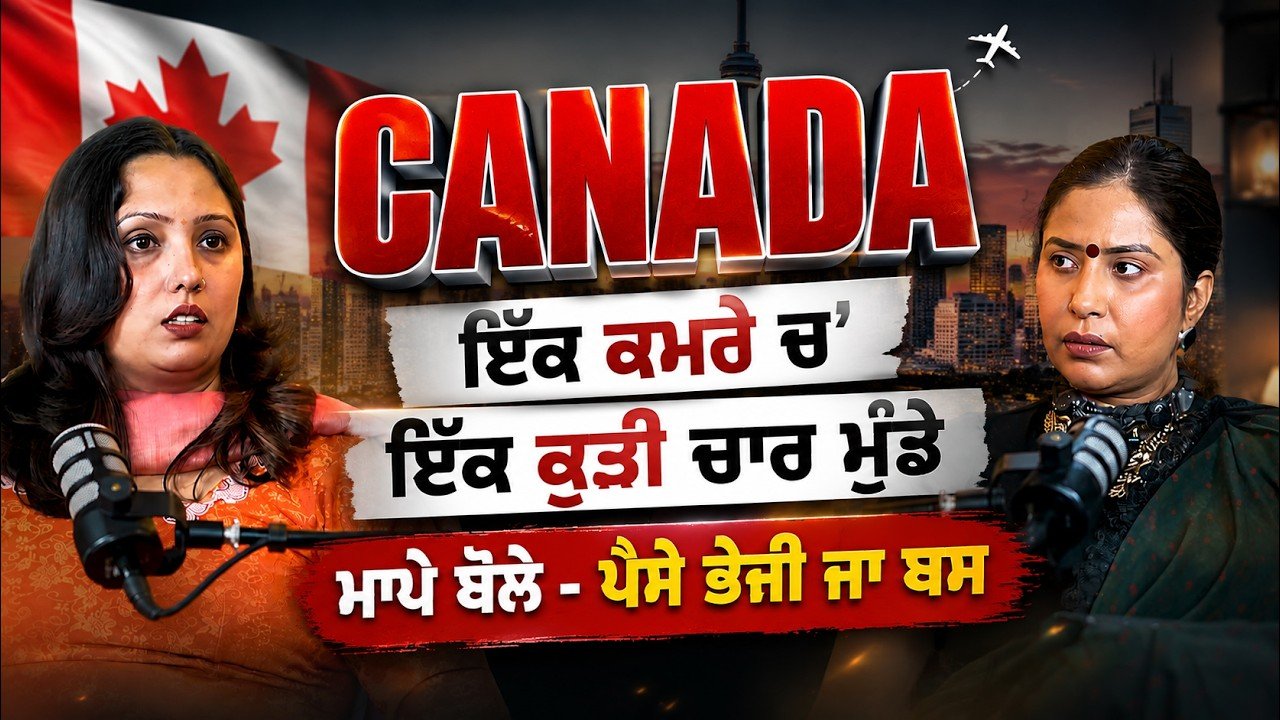
In an emotional and honest episode hosted by Rishika Kaushal, grassroots activist Navpreet Sharma, founder of the NGO Haq Sach Di Awaaz, talks openly about some of the biggest problems facing Punjab today. The conversation goes beyond theories and brings out the realities people face in everyday life, rising divorce rates because of a lack of understanding within families, the misuse of parental disownment (bedakhal), and legal systems that still operate under outdated frameworks. Sharma also questions the blind herd mentality that pushes many Punjabi youngsters towards life abroad. Behind the attractive image of foreign countries, she says, there are often stories of exploitation, debt, difficult working conditions, and human suffering. At the same time, she stresses that the problems cannot be seen from only one side. She speaks about the need to support both men and women who are suffering, while also raising concerns about political hypocrisy, the connection between the drug trade and policing, the way gun culture is glorified in music, and the need for 50 percent electoral representation for women.
Behind the Illusion of Progress: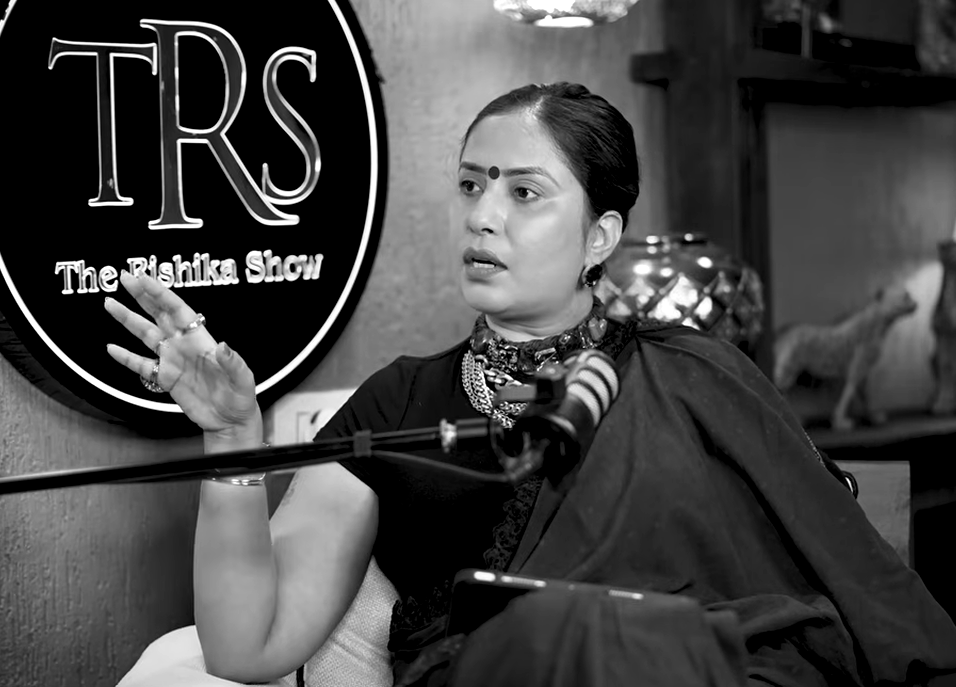
When Navpreet Sharma speaks, she speaks from experience. As the founder of Haq Sach Di Awaaz, she has worked closely with people and families facing real problems on the ground. Fresh from a police station, where files can remain pending while families struggle with domestic issues, Sharma brings these everyday realities into Rishika Kaushal’s studio.
“We claim we are living in modern times, but our mindset has slipped backwards,” Sharma says.
She points towards the changing nature of relationships in Punjab. Divorces that were once less common now appear more frequently, and according to Sharma, one major reason is the decline of basic tolerance (sehansheelta). Sometimes marriages break over small household issues or property disputes, while unnecessary interference from parents can make matters even worse.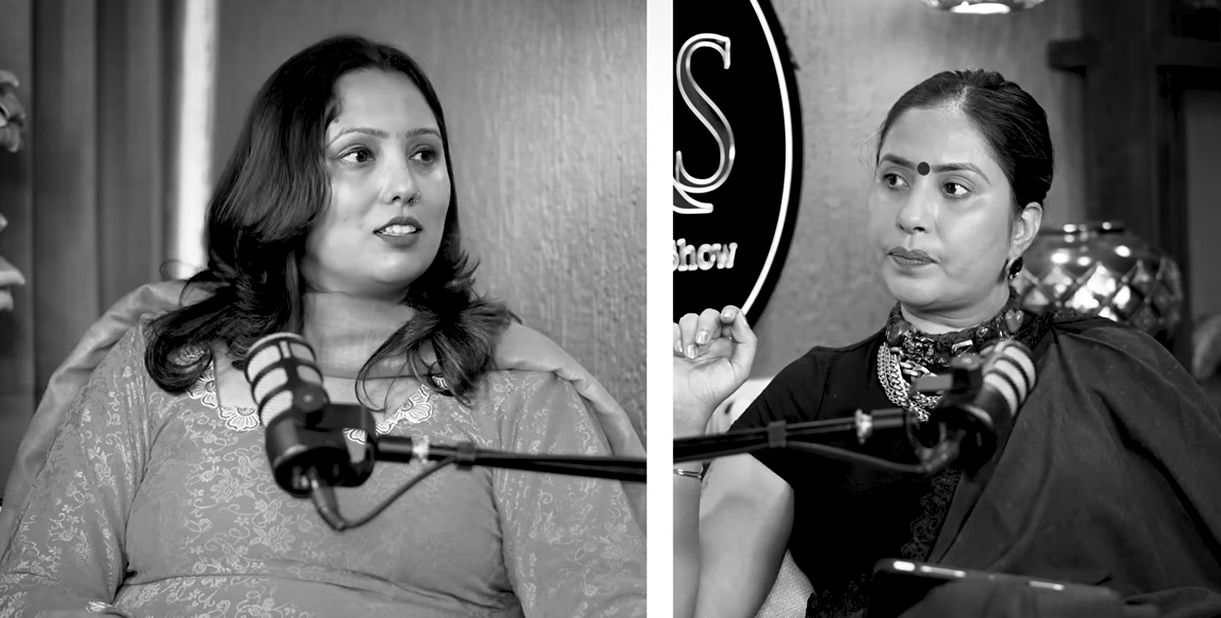
Another issue she raises is the misuse of bedakhal, the practice of publicly disowning a son. Sharma argues that in some cases, it is used as a way to remove a daughter-in-law’s rights, while the son continues to live privately under the same roof. She also questions why laws such as the Domestic Violence Act have not received the amendments she believes are needed, leaving some vulnerable women stuck in lengthy court cases while lawyers continue to benefit.
Nevertheless, Sharma is keen to avoid an anti-male dialogue. She mentions that almost 70 percent of new conflicts also reveal men experiencing emotional and financial exploitation. To her, equality signifies that accountability must operate in both directions. She believes that being modern does not simply mean adopting western habits, wearing provocative clothes, or turning towards substance abuse. Real modernity, she says, lies in mutual respect, emotional maturity, dignity, and standing beside your partner. The discussion then moves towards one of Punjab’s biggest social concerns, the growing migration of young people.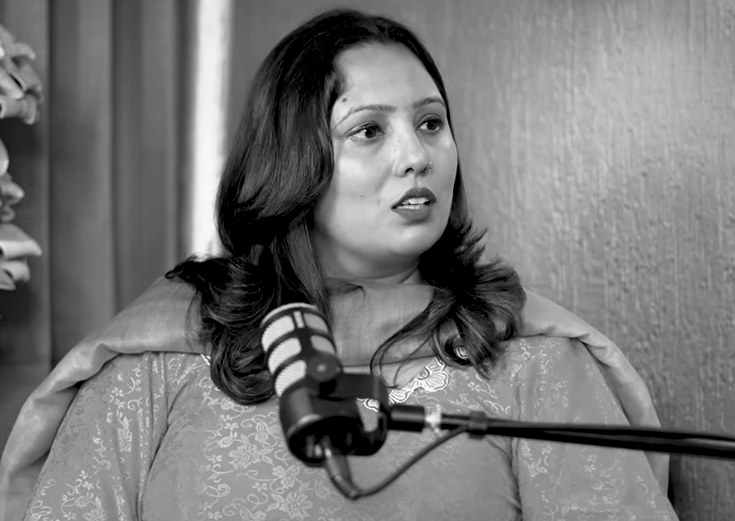
Sharma characterizes the urge to emigrate as a manifestation of bhed-chaal, in which individuals pursue the same route solely because others are doing so. Families occasionally sell ancestral farmland and invest ₹40–50 lakh on migration brokers or fake marriages. Certain young individuals end up labouring in humiliating circumstances, utilizing unlawful donkey paths, or encountering sexual exploitation overseas. Sharma recalls disturbing cases in which Punjabi girls were allegedly forced to share small rooms with several men and work under severe pressure to send money back home. Meanwhile, their debt-ridden parents sometimes continue accepting the money without questioning what their children are going through.
“If that same labour, pride, and investment were poured into small enterprises right here, whether a roadside food cart or an honest trade, dignity would thrive at home,” Sharma stresses.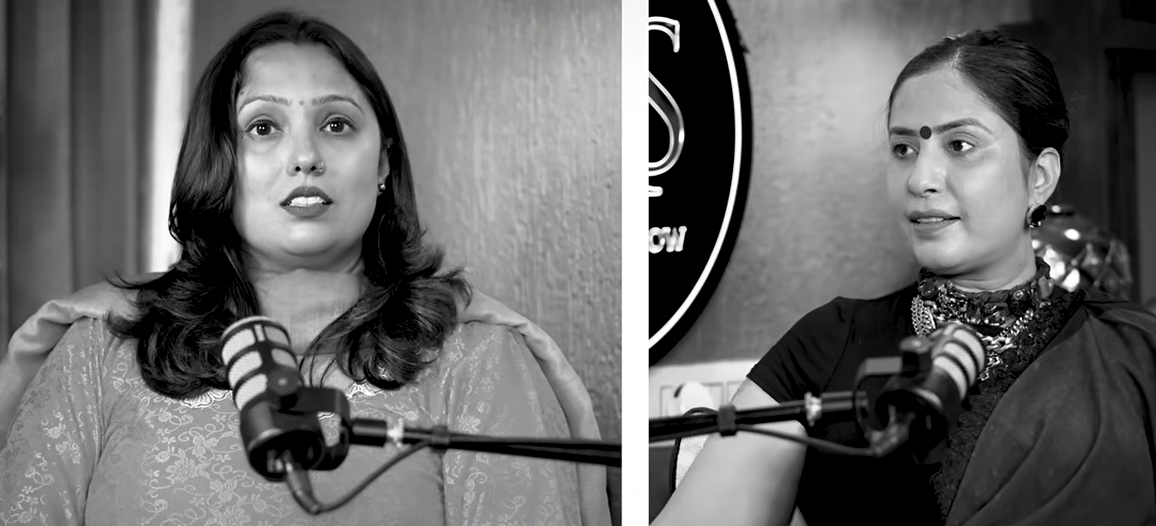
For her, the change has to begin inside families. Parents need to stop looking down on local work and stop treating daughters as liabilities. Only then, she believes, can the pressure to leave Punjab simply because everyone else is leaving begin to reduce. The conversation also turns towards Punjab’s problems with gangsterism, political patronage, and the narcotics trade. Sharma expresses worries regarding the glorification of guns and weapons in music and how this imagery may impact the youth. She questions why significant figures in the drug trade are allowed to function while minor users are being pursued.
According to Sharma, anti-drug campaigns cannot succeed fully unless the police force also deals with officers who may be protecting suppliers while targeting petty users for appearances. Sharma discusses her personal political journey as well. She claims she spent seven years in the ruling party without engaging in sycophancy. After local party gatekeepers rejected her municipal ticket, she states that the experience only reinforced her commitment to keep working at the grassroots level. Even without official political office, she continues to stay involved in community work, cleaning streets during sanitation strikes, helping mediate family disputes, and advocating for 50 percent political representation for women.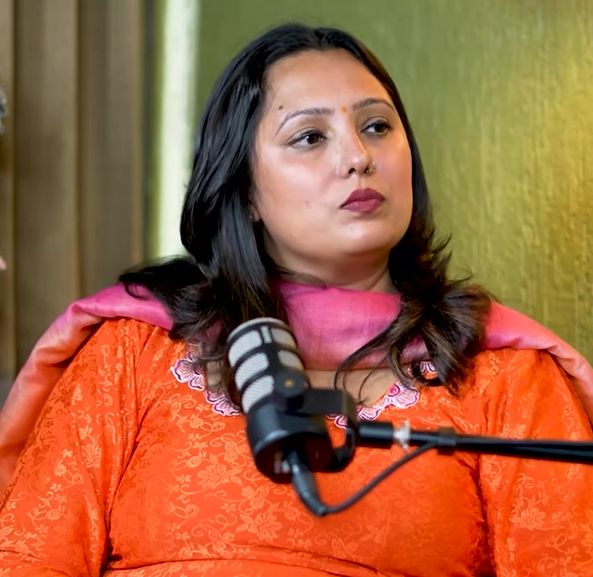
Her message throughout the conversation remains simple and direct:
Punjab’s problems cannot be solved simply by winning elections or moving abroad.
As Sharma states, authentic transformation must start with individuals, by substituting superficial displays with awareness, challenging double standards, fostering respect in daily tasks, and establishing responsibility from the grassroots level.
References/ Sources:
- Primary Source: Rishika Show — Interview with Navpreet Sharma.
- YouTube: Rishika Show — Navpreet Sharma interview/video.
- Author/ Writer: AARCHI VERMA