
The Battle for Punjab’s Soul: Seepa Pradhan on Drugs, Migration and the Fight to Save Punjab

Punjab at a Turning Point:
In an open conversation with host Rishika Kaushal on The Rishika Show, youth leader and community activist Seepa Pradhan talks about some of the biggest challenges facing Punjab today. From his mission to plant 10,000 trees to his concerns over drug addiction, fraudulent immigration agents, migration and the changing social landscape, Pradhan presents a strongly grassroots view of the problems affecting the state. He believes that real change cannot depend only on governments or political leaders, it has to begin with individuals, families and communities taking responsibility.
A Fight That Begins at the Grassroots: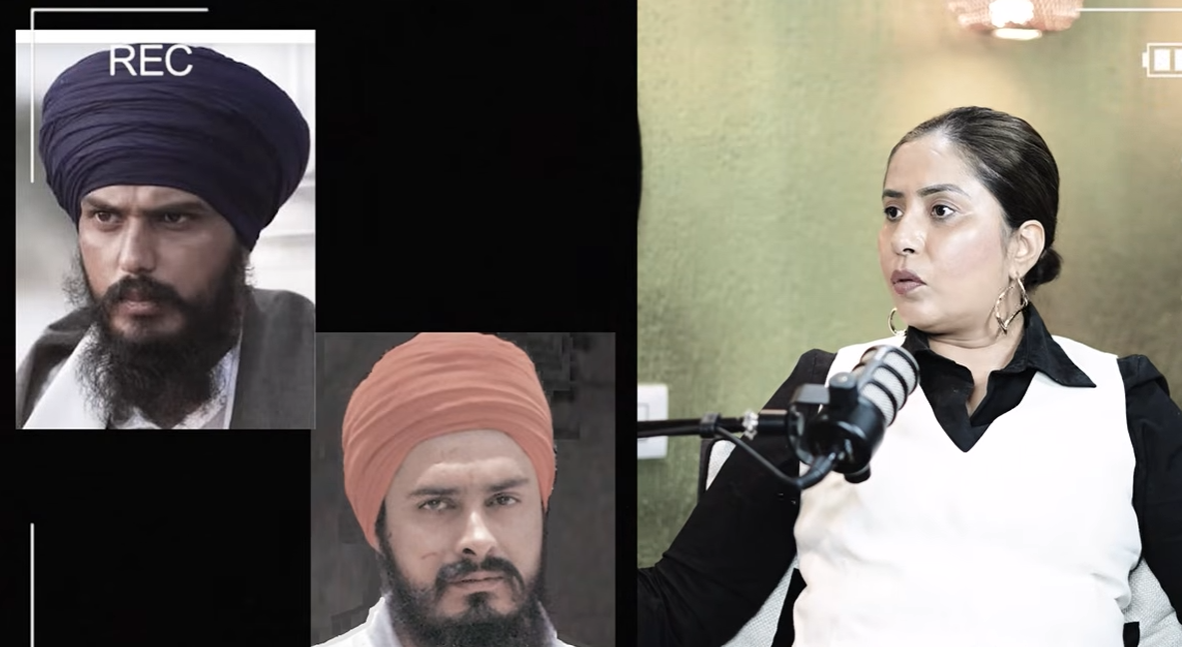
For Seepa Pradhan, saving Punjab is not just about making statements, it is about taking action. One of his major initiatives is a campaign to plant 10,000 trees across the state. For him, the idea goes beyond simply distributing saplings. He wants people to take responsibility for keeping those trees alive.
Pradhan explains that he would rather see someone take five plants and properly care for them than take ten simply for the sake of numbers. To him, environmental protection is not a business opportunity but a responsibility towards the land and future generations.
But his concerns go far beyond the environment. Pradhan also speaks strongly about the growing number of young Punjabis leaving the state in search of opportunities abroad. According to him, many families are selling valuable agricultural land and spending huge amounts of money to send their children overseas, sometimes trusting immigration agents without properly checking their credentials.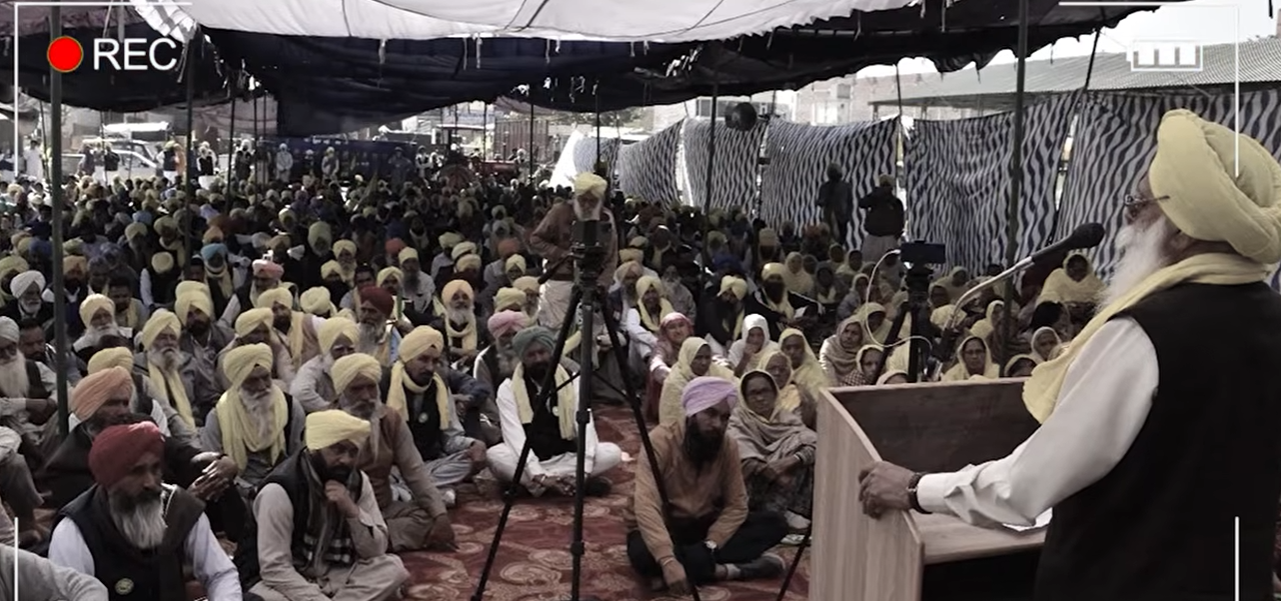
He expresses worries about individuals who identify as social workers or activists while reportedly exploiting these matters for their own benefit. Pradhan states he plans to keep opposing such practices and thinks that youths and their families should increase their awareness before making significant life choices.
He claims that the emigration of young people from Punjab is transforming the state’s social and economic framework. As numerous young individuals depart, migrant labourers have progressively emerged as a vital component of Punjab’s labour force. Pradhan recognizes their efforts and dedication, but he also emphasizes the importance of safeguarding Punjab’s cultural and demographic identity. He supports property-related regulations akin to those implemented in certain neighbouring states.
Among all the issues he discusses, however, drugs remain one of his biggest concerns. Pradhan particularly points towards the spread of synthetic drugs such as chitta and questions both political systems and families over their role in the crisis.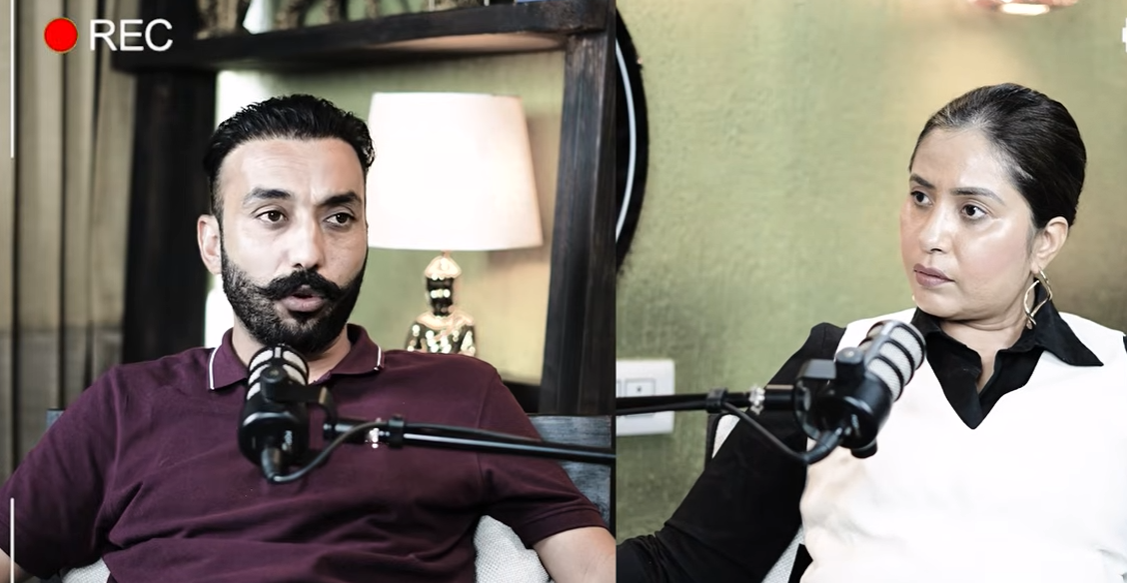
He thinks parents cannot fully detach themselves from the issue. If a young individual unexpectedly has significant sums of money for purchasing drugs, he states that families ought to inquire about the source of that money. Pradhan notes that the effects are already evident in numerous rural regions, where entire families and communities have been impacted by addiction.
Alongside these social issues, Pradhan also expresses his support for the long-running movement seeking the release of the Bandi Singhs. He says he is prepared to encourage and mobilise young people to participate in the upcoming demonstrations on the 15th.
Despite the seriousness of the issues, Pradhan does not believe Punjab needs one political leader or a single “saviour.” For him, the answer begins much closer to home.
His message is simple: if every family takes responsibility for its children, its surroundings and its community, meaningful change can begin. For Pradhan, saving Punjab is not someone else’s responsibility, it is a responsibility that belongs to everyone.