
Beyond the Shadows: Demystifying Tantra, Kamakhya, and the Divine Feminine

Unveiling the Truth Behind Tantra and Ancient Spiritual Practices:
Often associated with fear, black magic and mysterious rituals, Tantra remains one of India’s most misunderstood spiritual traditions. In an enlightening conversation on The Rishika Show, spiritual guide Karan Bhargava offers a different perspective, explaining Tantra as a disciplined spiritual path rooted in the connection between Shiva and Shakti. From the unique traditions of Maa Kamakhya and the significance of the Ambubachi Mela to the beliefs surrounding Maa Baglamukhi and Aghoris, he separates genuine spiritual practices from popular myths. He also shares simple remedies connected with prosperity, peace and protection, while warning people against those who use spirituality to create fear or exploit faith.
The Reality Behind Tantra and the Divine Feminine:
For many people, the very mention of Tantra immediately brings thoughts of black magic, supernatural powers and harmful rituals. But according to spiritual guide Karan Bhargava, this perception misses the deeper meaning of the tradition. Speaking about his connection with Maa Kamakhya Dham, he explains that Tantra is fundamentally associated with Shiva and Shakti and is a way of moving closer to the divine through intense spiritual discipline.
The distinction between different spiritual practices is important. Mantras primarily involve sacred chants, while Yantras are used as physical representations for focused worship. Tantra, however, demands deeper dedication and discipline. Bhargava stresses that the practice itself cannot simply be labelled as good or evil; the intention and actions of the person practising it matter greatly. For him, karma remains a powerful force in determining the direction of one’s life.
His description of Maa Kamakhya Temple in Assam adds another intriguing aspect to the discussion. In contrast to traditional temples where worshippers venerate an idol, Kamakhya focuses on a holy stone symbolizing the goddess’s womb. The natural water that flows from the holy site plays a significant role in its veneration and meaning.
This link becomes particularly important during the Ambubachi Mela, when the temple is shut for three days as it is thought that the goddess experiences her menstrual cycle. Bhargava portrays the tradition as a significant homage to femininity and the divine feminine essence. Instead of viewing menstruation as unclean, the festival offers a chance to acknowledge it as a natural and revered aspect of existence.
The conversation also explores Maa Baglamukhi, often associated with the power to silence or paralyse an enemy. Bhargava explains that her power should not be understood simply as physical destruction. Instead, it is connected with stopping harmful intentions and negative thoughts.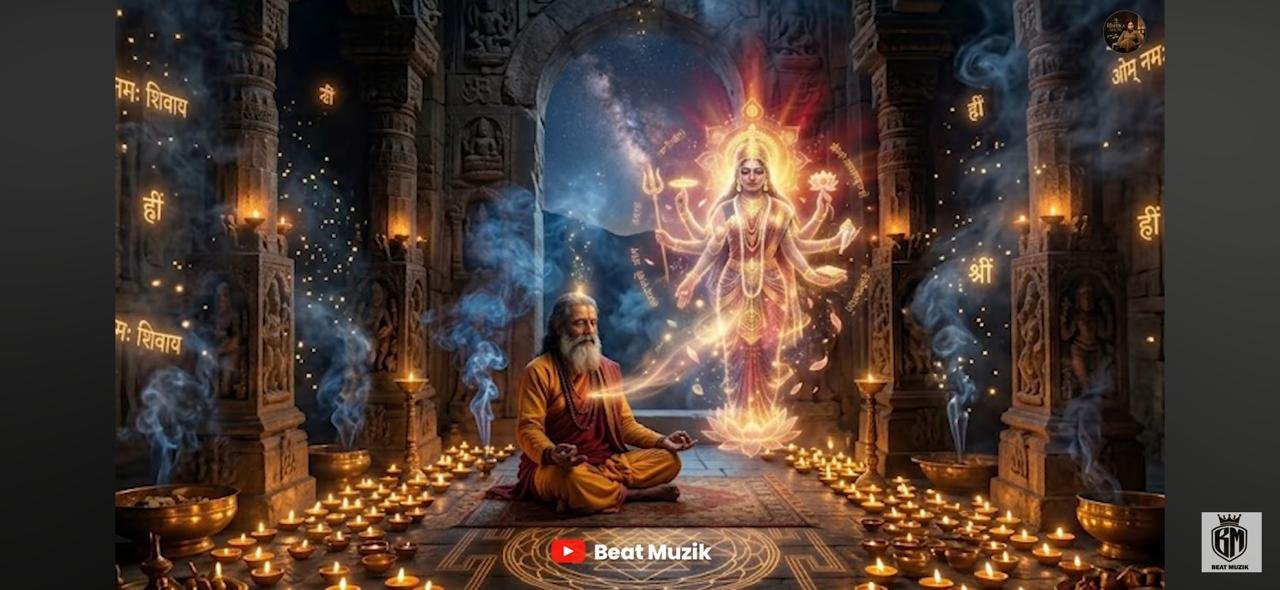
He is similarly critical of the exaggerated portrayal occasionally shown in the name of spirituality. He asserts that true Aghoris do not seek attention as performers. Their existence is characterized by deep meditation, detachment, and spiritual rigor, frequently outside the public gaze. He challenges assertions made by self-proclaimed spiritual leaders who utilize tales of otherworldly possession or mystical abilities to gain attention.
Bhargava shares the story of a man from Kolkata who thought he was afflicted by the spirit of his late wife and was enduring hardships due to black magic. He explains that a specific Chandi Havan took place, after which it was thought the issue was settled, and the man found his peace again.
Beyond these mystical subjects, Bhargava offers simple practices for people looking for positivity in their everyday lives. For financial prosperity, he suggests setting aside a small portion of one’s income, wrapping it in a red cloth, placing it before Maa Lakshmi and reciting Om Hreem Lakshmi Namah. For peace and well-being at home, he recommends keeping a Kalash containing Gangajal and a flower. He also mentions a black cloth consecrated at a Kali temple during Navratri as a traditional protective practice for the home.
At its heart, the conversation leaves behind a simple message: spirituality should not be built on fear. Whether exploring Tantra, visiting Kamakhya or seeking protection and prosperity, faith becomes meaningful when it is accompanied by genuine understanding, discipline and positive intention.